Exploring Essential Medical Tools for Surgery
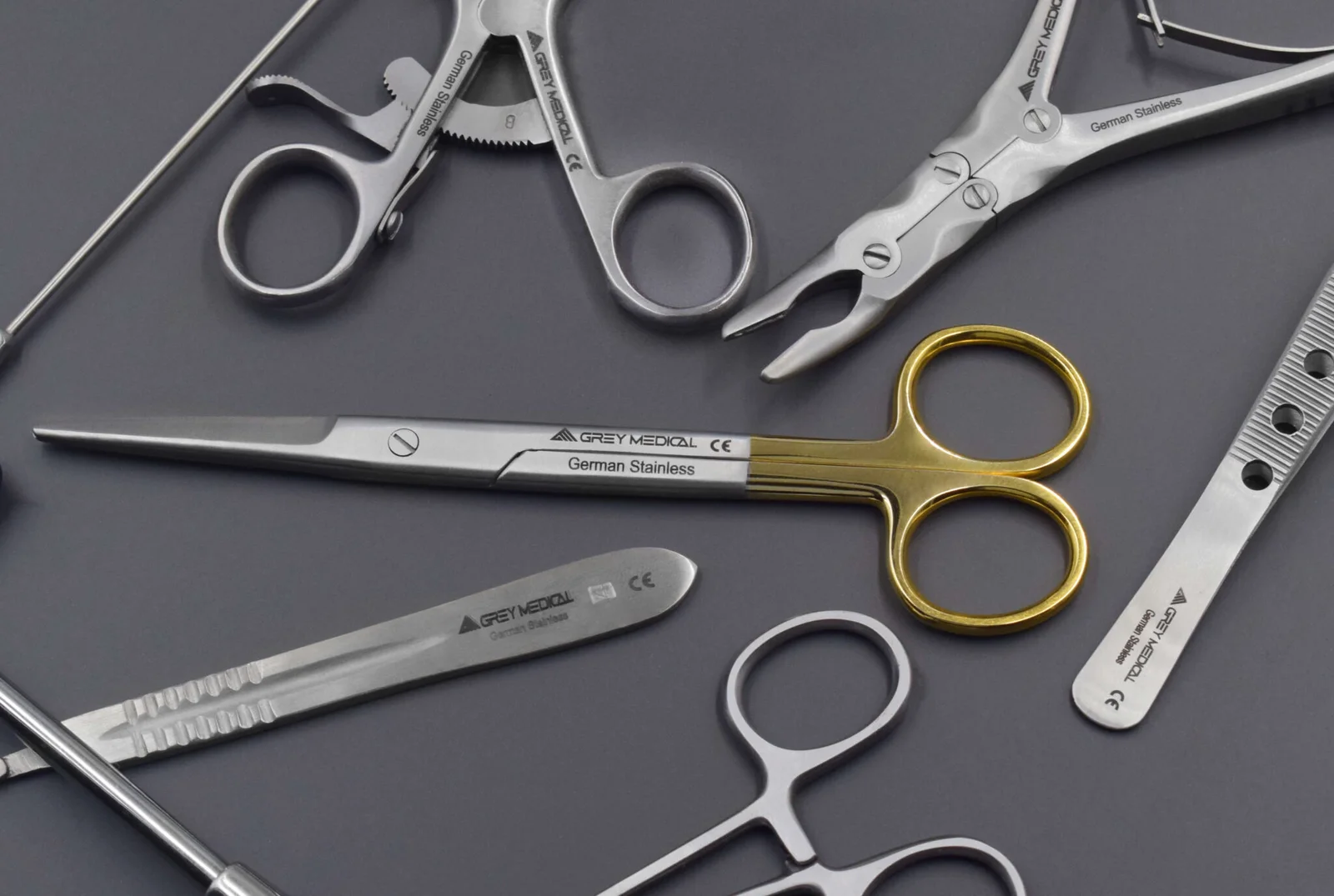
Medical tools for surgery form the foundation of every successful operation, enabling healthcare professionals to perform procedures with precision and care. These Medical tools carefully designed instruments, ranging from scalpels to retractors, play critical roles in ensuring the safety and well-being of patients. Advances in surgical technology have only added to their effectiveness, making them indispensable in the pursuit of better healthcare.
The Backbone of the Operating Room
The operating room is equipped with a wide array of surgical instruments, each tailored for specific tasks. These tools are classified into categories based on their function, such as cutting, grasping, retracting, or suturing. From basic instruments like surgical scissors to complex devices like laparoscopic tools, every instrument serves a unique purpose in assisting surgeons during critical procedures.
One of the most iconic tools in surgery is the scalpel. This precision blade is designed to make clean incisions, enabling surgeons to access underlying tissues. Meanwhile, forceps and clamps allow for careful manipulation of tissues and organs, helping surgeons perform their tasks without causing unnecessary trauma. Instruments like these are not only practical but are also designed to minimize risks and improve outcomes, showcasing the importance of well-crafted surgical instruments in patient care.
The Role of Surgical Instruments in Precision and Safety
The success of any surgical procedure depends heavily on precision, and high-quality medical tools for surgery ensure that this can be achieved. Instruments like retractors are vital for maintaining clear visibility of the surgical site by holding back tissues or organs during procedures. This ensures that surgeons can operate with minimal interference and make accurate decisions.
Similarly, devices like suction tubes and electrosurgical units further enhance precision and efficiency. Suction tubes remove blood and other fluids from the surgical field, while electrosurgical tools use electrical currents to cut tissue or seal blood vessels. Both innovations demonstrate how modern surgical instruments streamline procedures, reducing complications and improving patient safety.
Sterility and Material Design in Surgical Tools
A critical aspect of medical tools for surgery is their sterility and material composition. Surgical instruments are often made from materials like stainless steel or titanium, which are resistant to corrosion, easy to sterilize, and durable enough to withstand repeated use. Ensuring that tools are sterile before each procedure is paramount in preventing infections and safeguarding patient health.
Additionally, ergonomic designs play a significant role in enhancing usability for surgeons. Features like non-slip handles and lightweight construction help reduce surgeon fatigue during long procedures, ensuring that performance and precision are maintained throughout.
Specialized Tools for Advanced Procedures
With the evolution of medicine, the demand for specialized surgical instruments has grown. Tools for minimally invasive procedures, such as laparoscopes and robotic surgical devices, have redefined what is possible in surgery. These instruments allow for smaller incisions, reduced pain, and faster recovery times for patients. For example, robotic systems provide surgeons with greater dexterity and precision, enabling more complex operations with minimal disruption to healthy tissues.
This shift toward advanced technologies reflects the constant push to improve surgical outcomes and patient experiences. While traditional instruments remain essential, the integration of new tools enriches the scope and possibilities of modern surgery.
Why Medical Tools Matter in Every Procedure
Every surgical instrument has a role to play, from the simplest scalpel to the most advanced robotic arm. Together, these tools empower surgeons to address the wide spectrum of patient needs with confidence and care. They ensure that procedures are not only effective but also safe, minimizing risks and paving the way for faster healing.
The development and proper use of medical tools for surgery stand at the forefront of healthcare advancements. They not only support surgeons in their work but also play a pivotal role in shaping the future of medicine, enabling better health outcomes for patients around the world.


