Essential Operation Instruments: Tools for Precision and Efficiency
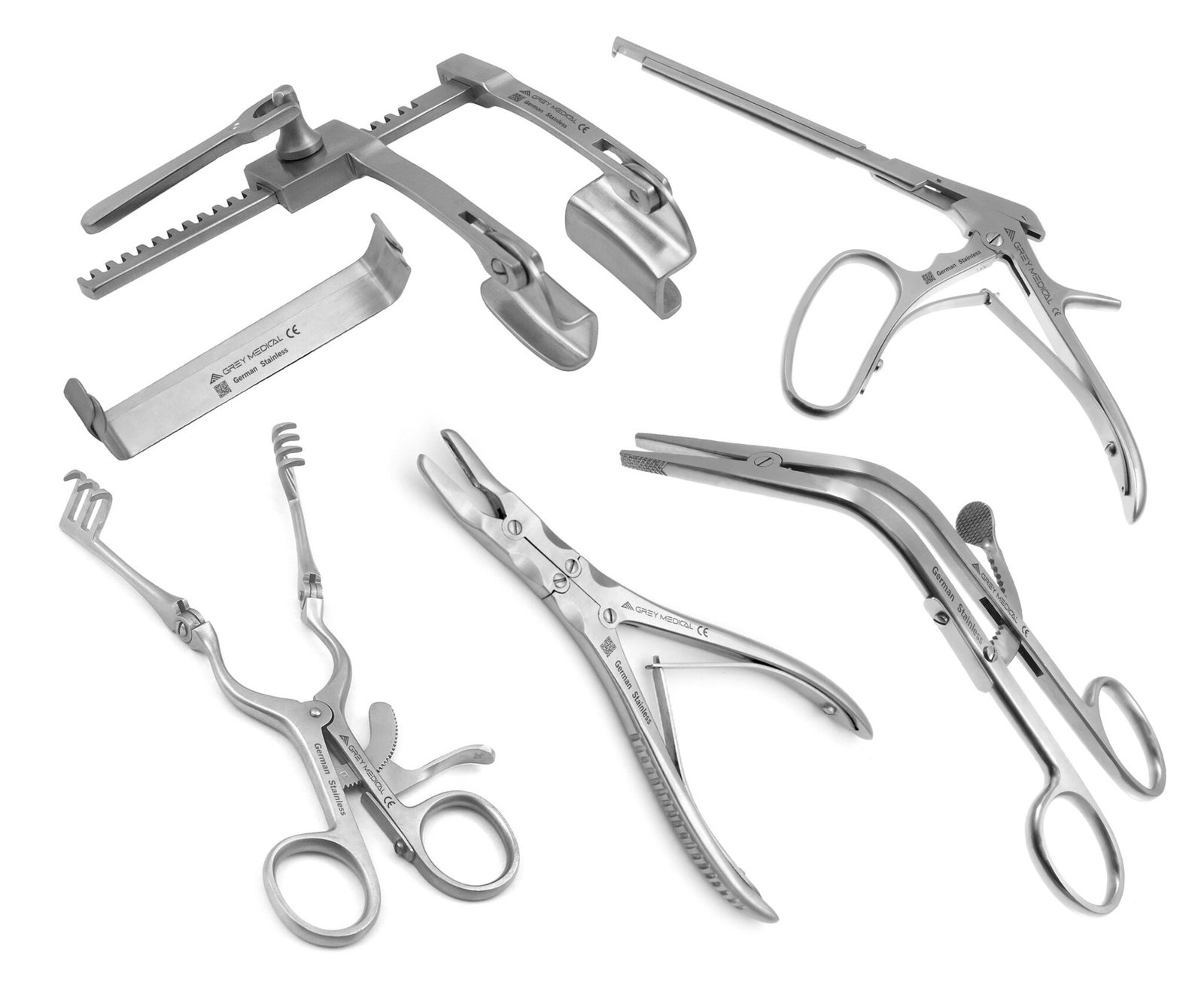
Surgical procedures require a wide range of specialized instruments designed to perform precise and delicate tasks. Each essentail operation instrument serves a specific purpose, from cutting and dissecting to grasping, holding, and suturing. The effectiveness of an operation depends not only on the skill of the surgeon but also on the quality and functionality of the instruments used. Surgical instruments are meticulously designed to ensure accuracy, minimize tissue damage, and promote better healing outcomes.
Scalpels: The Primary Cutting Tool
The scalpel is one of the most fundamental surgical instruments used in almost every procedure. It consists of a sharp blade attached to a handle, allowing for precise incisions with minimal tissue trauma. Scalpel blades come in various shapes and sizes, each suited for different types of cuts. Disposable blades ensure sterility, while reusable handles offer a firm grip for enhanced control. The design of the scalpel allows surgeons to make clean and accurate incisions, which is critical in both minor and major surgeries.
Forceps: Grasping and Holding Instruments
Forceps are essential for holding and manipulating tissues during surgical procedures. They come in various designs, including tissue forceps, dressing forceps, and hemostatic forceps. Tissue forceps, such as Adson forceps, have fine serrated tips to provide a secure grip on delicate tissues without causing damage. Hemostatic forceps, like Kelly or Mosquito forceps, are used to clamp blood vessels and control bleeding during surgery. The ability to securely hold tissue and sutures makes forceps indispensable in any operating room.
Scissors: Precision Cutting and Dissection
Surgical scissors are designed for cutting tissue, sutures, and other materials used in medical procedures. Different types of scissors serve various purposes, such as Mayo scissors for cutting thick tissues and Metzenbaum scissors for delicate dissections. Curved scissors allow for better maneuverability in tight spaces, while straight scissors provide direct cutting capability. Made from high-quality stainless steel, surgical scissors maintain their sharpness and durability for repeated use.
Needle Holders: Assisting in Suturing
Needle holders are used to grasp and control suturing needles during wound closure. These instruments have a locking mechanism that secures the needle in place, providing stability for precise stitching. Popular types include Mayo-Hegar and Castroviejo needle holders, each suited for different surgical applications. Their ergonomic design reduces hand fatigue, allowing surgeons to perform delicate suturing with greater efficiency and accuracy.
Retractors: Providing Clear Visibility
Retractors are used to hold back tissues, muscles, or organs to expose the surgical site. They help create a clear working space, allowing surgeons to operate with precision. Common retractors include the Senn retractor for smaller incisions and the Balfour retractor for abdominal surgeries. Self-retaining retractors provide hands-free assistance, enabling surgeons to focus on the procedure without needing additional personnel to hold tissues apart.
Conclusion
Operation instruments are vital components of any surgical procedure, each playing a crucial role in ensuring accuracy, efficiency, and patient safety. From scalpels and scissors to forceps and retractors, these tools are designed for precision and ease of use. High-quality surgical instruments not only enhance the surgeon’s ability to perform but also contribute to successful surgical outcomes and faster patient recovery.


