Common Surgical Tools and Their Uses
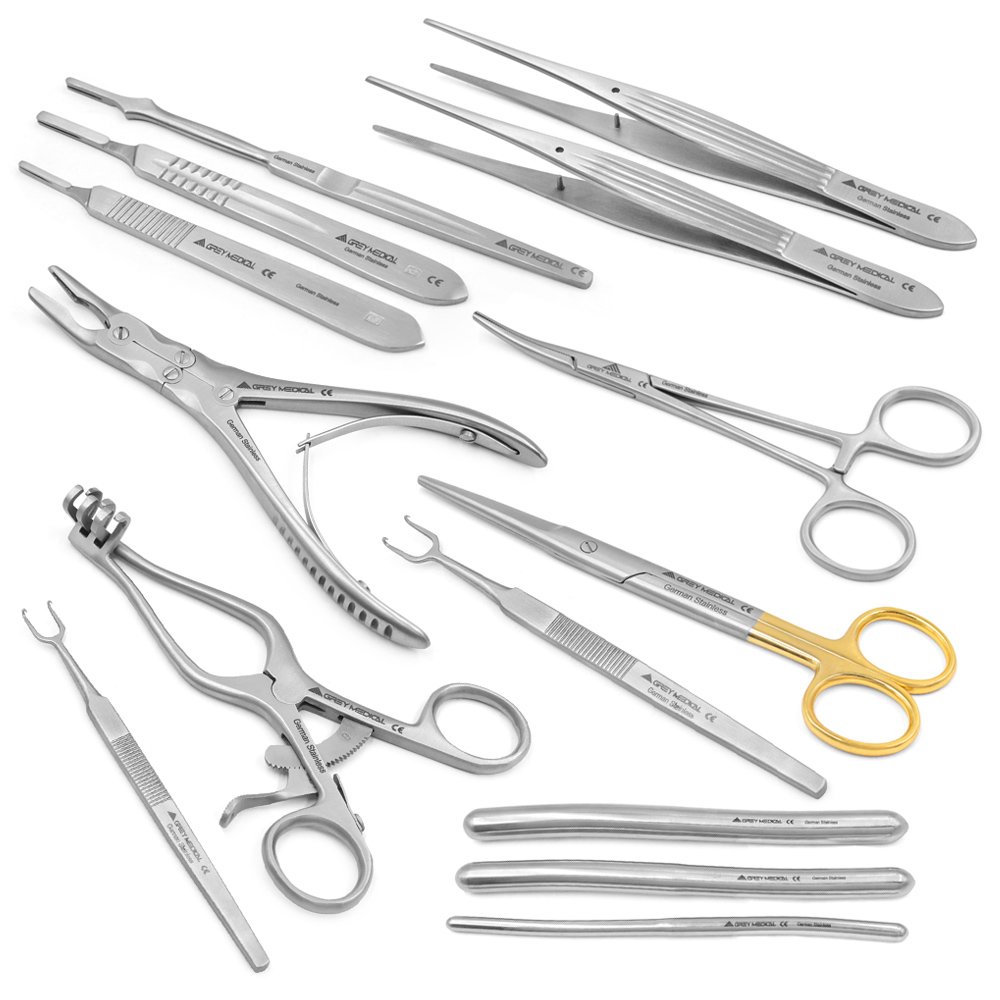
Surgical tools are the backbone of any medical procedure, enabling surgeons to perform precise and effective operations. These common surgical tool are designed for various functions such as cutting, grasping, retracting, and suturing. The quality, design, and material of these tools play a crucial role in ensuring successful surgeries. From general surgery to specialized fields like neurosurgery and orthopedics, each instrument has a specific role in achieving the best patient outcomes.
Scalpels: Precision Cutting Instruments
A scalpel is one of the most recognizable surgical tools, used for making incisions with extreme precision. It consists of a sharp, replaceable blade attached to a handle. Surgeons use different sizes and types of blades depending on the procedure. Scalpel blades are disposable to ensure sharpness and prevent contamination, while the handles are often reusable. The accuracy of the scalpel makes it indispensable in surgeries ranging from minor procedures to complex operations.
Forceps: Essential for Grasping and Holding
Forceps are versatile instruments used to grasp, hold, and manipulate tissues, sutures, or surgical materials. They come in various designs, including tissue forceps with teeth for a firm grip and dressing forceps with smooth tips for handling delicate structures. Some forceps, like hemostatic forceps, are designed to clamp blood vessels and control bleeding. Surgeons rely on forceps to maintain a steady grip without causing unnecessary damage to tissues.
Scissors: Cutting with Precision
Surgical scissors are specialized tools used for cutting tissues, sutures, or dressings. Different types of scissors cater to various surgical needs. Metzenbaum scissors are delicate and designed for cutting soft tissues, while Mayo scissors are sturdier and used for cutting tougher tissues like fascia and muscles. Iris scissors, known for their sharp tips, are used in fine surgical procedures. The right pair of scissors ensures clean and precise cuts, reducing trauma to surrounding tissues.
Retractors: Improving Visibility and Access
Retractors are crucial in keeping surgical sites open and exposing underlying tissues. They allow surgeons to work with better visibility and access to internal structures. Self-retaining retractors, such as the Weitlaner or Gelpi retractors, hold tissues apart without the need for manual assistance. Handheld retractors, like the Army-Navy or Senn retractors, require an assistant to keep them in place. By minimizing obstruction, retractors play a key role in improving surgical efficiency.
Needle Holders: Assisting in Suturing
Needle holders are specialized tools designed to grasp and control needles during suturing. Their jaws have a secure grip, preventing the needle from slipping while stitching tissues together. Some models, such as Mayo-Hegar and Olsen-Hegar needle holders, come with built-in scissors for cutting sutures. These instruments ensure that stitches are placed accurately, promoting faster wound healing and minimizing complications.
Hemostats: Controlling Bleeding Effectively
Hemostats are clamp-like instruments used to control bleeding by clamping blood vessels. They are essential in maintaining a clear surgical field, reducing blood loss, and allowing surgeons to focus on the procedure. Some of the most commonly used hemostats include Kelly forceps, Mosquito forceps, and Crile forceps. Their locking mechanism ensures a firm grip, making them indispensable in almost every surgical setting.
Suction Devices: Keeping the Surgical Site Clear
Suction devices help remove excess blood, fluids, and debris from the surgical field. Instruments like the Yankauer suction tip and Poole suction tip are used for different types of procedures. These devices ensure that surgeons have a clear view of the area they are working on, preventing complications and improving precision.
Conclusion
Surgical tools are the foundation of safe and effective operations. Each instrument serves a specific purpose, helping surgeons perform procedures with accuracy and efficiency. From scalpels and scissors to forceps and retractors, these tools enable precise cutting, grasping, and suturing. Understanding the function of each instrument is essential in ensuring smooth surgical procedures and better patient outcomes.


